Moon Cat Wildflower: A Designer’s Real-World Embroidery Review
First Impression: Whimsy with Quiet Intention
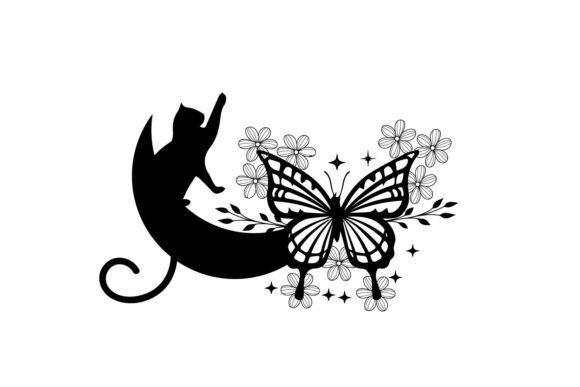
Moon Cat Wildflower lands softly—not with flash, but with a gentle, moonlit pause. It’s not overly detailed or fussy; instead, it balances organic wildflower shapes with a stylized cat silhouette nestled beneath a crescent moon. The composition feels intentional, not crowded. As a designer who’s stitched hundreds of motifs for baby onesies, boutique aprons, and holiday tea towels, I immediately saw its quiet versatility: this isn’t just a “cute” graphic—it’s a mood-setter. Calm, curious, nature-adjacent, and subtly magical. It leans into the handmade aesthetic without demanding perfection from the stitcher.
Where It Shines: Real Projects, Real Fabric
I tested Moon Cat Wildflower on three real items: a medium-weight organic cotton tote bag, a lightweight French terry sweatshirt, and a linen-cotton blend pillow cover. On the tote, it stitched cleanly at 3.8" wide—no thread breaks, no puckering, even across the slight weave variation. The wildflower stems held their flow in satin stitch, and the cat’s ear detail remained legible without over-stuffing the fill. On the sweatshirt, I used tear-away + light cutaway stabilizer—and yes, it handled the slight stretch beautifully. No distortion around the moon curve. And on the pillow cover? That’s where it truly sang: the soft contrast between matte linen and glossy embroidery thread gave the design warmth and depth, exactly what small shop owners want for curated nursery decor or wedding guest gifts.
This is a strong candidate for embroidered patches (heat-seal or sew-on), baby embroidery (think onesies or burp cloths), and personalized gifts—especially for customers who appreciate botanical-meets-mystical themes. Etsy sellers will find it fits naturally into listings for “moon phase gifts,” “cat lover essentials,” or “botanical nursery art.” It also works well as a subtle chest emblem on unisex crewnecks or a centered motif on kitchen towels—never overwhelming, always thoughtful.
Where to Pause—and Why
Moon Cat Wildflower isn’t built for micro-embroidery. Don’t push it below 2.5" wide on caps or curved surfaces like baseball hats—the delicate stem tips and inner moon contour start to blur. On thin or slippery fabrics (like rayon challis or lightweight voile), test stitch first: the fill stitch density (while balanced) can cause slight show-through if stabilizer isn’t matched precisely. Dark fabric demands attention too—check how the moon’s outline reads in black thread before committing; sometimes a white underlay or split satin helps lift definition.
Also note: while the design avoids tiny lettering or ultra-fine linework, the wildflower centers do contain small clustered details. On highly textured fabrics—bouclé, heavy terry, or nubby wool blends—those areas may soften visually. That’s not a flaw—it’s a reminder that Moon Cat Wildflower thrives where texture supports, not competes with, its gentle rhythm.
What It Adds to Your Finished Product
Stitching Moon Cat Wildflower elevates perceived value without shouting. Customers notice the cohesion—the way the cat’s pose echoes the moon’s curve, how the flowers bloom outward like quiet confidence. That kind of visual harmony builds trust: it signals care, not just craft. For small business owners, that translates to stronger brand consistency across products—whether it’s a set of matching embroidered tea towels and pillow covers, or a limited-run batch of sweatshirts for a local bookstore’s “poetry & plants” event.
It also performs well in digital spaces. The included high-resolution PNG and SVG files hold up cleanly in printable mockups—ideal for Etsy sellers building lifestyle scenes or Instagram product previews. And because the layout is open and centered (not tightly cropped), it adapts smoothly to different hoop sizes and garment placements without awkward trimming or repositioning.
Practical Notes Every Embroiderer Should Keep Handy
- Always test first: Run Moon Cat Wildflower on scrap fabric matching your final project’s weight, stretch, and finish—even if you’ve stitched similar designs before.
- Thread colors matter more than you think: Try it in muted sage + charcoal gray for earthy appeal, or soft lavender + silver for a dreamier tone. Avoid high-contrast combos unless the context calls for boldness (e.g., festival merch).
- Stabilizer isn’t optional—it’s part of the design: Light cutaway works for stable knits; tear-away + topping for textured weaves; fusible for lightweight linens.
- Check your background: Preview the PNG file against both light and dark fabric swatches digitally before stitching. Does the moon pop? Do the flower outlines stay crisp?
- Licensing clarity is non-negotiable: Since Moon Cat Wildflower is listed as a Graphics product in the Crafts category, confirm whether the license permits commercial embroidery use—especially if you’re selling finished items or bundling it into digital embroidery kits.
- Review stitch density in your software: Some machines handle denser fills better than others. If your machine hesitates on the flower centers, consider reducing density by 5–7%—it rarely sacrifices legibility.
Final Thought: Not Just Another Embroidery File
Moon Cat Wildflower doesn’t try to be everything. It’s not a maximalist statement piece, nor is it minimalist to the point of emptiness. It occupies that rare middle ground—distinct enough to feel intentional, soft enough to feel inclusive. For craft business owners choosing designs that reflect their values (thoughtful, tactile, quietly joyful), this one earns its place in the rotation. Whether you’re embroidering a custom baby blanket for a friend, prepping five dozen tote bags for a craft fair, or building a cohesive line of botanical-themed home goods, Moon Cat Wildflower stitches true—without demanding perfection from you or your machine.